Dental bridges Types & Process | Dental advice online in delhi
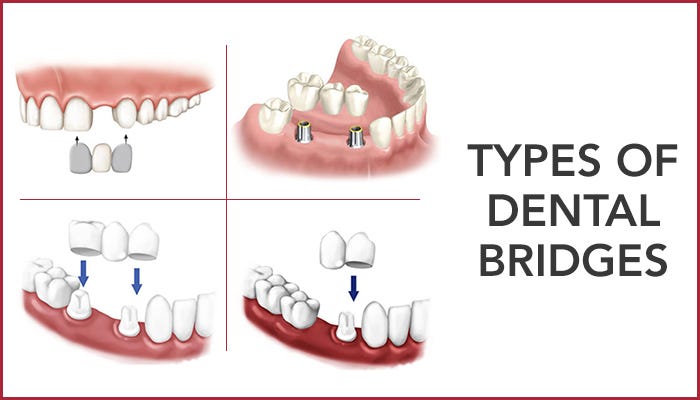
Dental bridges or crowns literally bridge the gap created by one or more missing teeth.
A bridge is made up of two or more crowns for the tooth or teeth on either side of the gap — these two or more anchoring teeth are called abutment teeth — and false teeth in between. These false teeth are called pontics and can be made from the gold, alloys, porcelain, or a combination of these materials. Dental bridges are supported by natural teeth and implants. Meraki dental studio is a well-known clinic for Dental advice online in delhi. We specialize in treatments like Tmj therapy, Tooth jewellery, Teeth whitening, Invisible braces, Dental Implants and Orthodontics in order to provide the perfect treatment for every dental type and condition.
Bridges or crowns can:
- Restore your smile
- Restore the ability to properly chew and speak
- Maintain the shape of your face
- Distribute the forces in your bite properly by replacing missing teeth
- Prevent remaining teeth from drifting out of position
Types of Dental Bridges or crowns: There are three main types of dental bridges available:
Traditional bridges or crowns involve creating a crown for the tooth or implant on either side of the missing tooth, with a pontic in between. Traditional bridges are the most common type of bridges and are made of either porcelain fused to metal or ceramics.
Cantilever bridges or crowns are used when there are adjacent teeth on only one side of the missing tooth. This is not very common anymore and is not recommended in the back of the mouth where it can put too much force on the other teeth and damage them.
Maryland bonded bridges (also called a resin-bonded bridge or a Maryland bridge) are made of porcelain, porcelain fused to metal, or plastic teeth and the gums supported by a metal or porcelain framework. Metal or the porcelain wings often on just one side of the bridge are bonded to the existing teeth.
Also Read: Root Canal Treatment Procedure
Process for Getting a Dental Bridge:
During the first visit for getting a dental bridge, the abutment teeth are to be prepared. Preparation involves recontouring these teeth by removing a portion of the enamel to allow room for a crown to be placed over them. Next, impressions of the teeth are made, which serve as a model from which the bridge, pontic, and crowns will be made by a dental lab. Your dentist will make a temporary bridge to wear to protect the exposed teeth and the gums while the bridge is being made.
During the second visit, your temporary bridge will be removed and the new porcelain or the metal bridge will be checked and adjusted as necessary to achieve a proper fit. Multiple visits may be required to check the fit of the metal framework and the bite. This is dependent on each individual’s case. If the dental bridge is a fixed bridge then your dentist may temporarily cement it in place for a couple of weeks to make sure it is fitting properly. After a couple of weeks, the bridge is cemented into the place.


Comments
Post a Comment